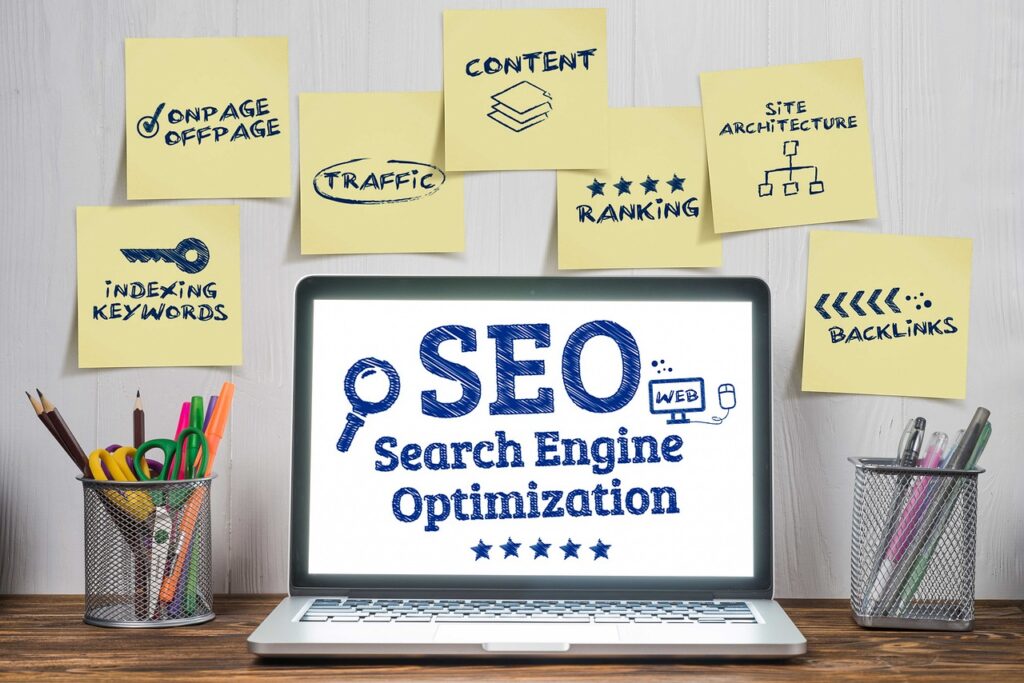
Search engines are designed to deliver the most useful and relevant content to users. This means businesses cannot rely solely on technical optimization or keyword placement anymore. Search algorithms now evaluate content quality, user engagement, expertise, and overall usefulness before determining rankings.Content marketing focuses on creating valuable information that attracts and educates audiences. Blog posts, videos, guides, case studies, and articles all contribute to content marketing efforts. Instead of directly promoting products or services constantly, content marketing builds trust by solving user problems and answering questions.
SEO ensures this content becomes discoverable through search engines. Without SEO, even excellent content may remain invisible online. On the other hand, SEO without valuable content often leads to poor engagement and weak rankings. Combining both strategies creates a sustainable digital marketing system.Keyword research remains one of the most important connections between content marketing and SEO. Businesses must understand what their audiences are searching for online. Instead of targeting only broad keywords, modern strategies focus on search intent and user needs.
For example, a business offering digital marketing services could create content targeting searches such as “how to improve website traffic” or “best SEO strategies for local businesses.” These topics attract users actively seeking solutions while increasing opportunities for organic rankings.Modern search engines also prioritize topical authority. Businesses that publish multiple high-quality articles around related subjects improve their credibility and relevance. Instead of creating isolated blog posts randomly, successful content marketing strategies organize content into topic clusters that cover subjects comprehensively.Content structure also affects SEO performance significantly. Clear headings, short paragraphs, optimized images, and organized formatting improve readability and user experience. Search engines favor content that users can easily navigate and understand.AEO, or Answer Engine Optimization, has further changed content strategies. Users increasingly expect direct answers to questions, especially through voice search and AI-generated results. Businesses should therefore structure content with concise explanations, FAQs, and conversational language.
For instance, including sections such as “What is technical SEO?” or “Why is content marketing important?” increases the chances of appearing in featured snippets and voice search responses. These optimizations improve visibility beyond traditional search rankings.Consistency is another critical factor in content marketing success. Publishing content regularly signals activity and relevance to search engines. Businesses that maintain active blogs and update old content often experience stronger long-term SEO performance.Content freshness has become increasingly important because industries evolve rapidly. Outdated information can reduce trust and rankings. Updating statistics, examples, and strategies helps maintain relevance and authority online.
Backlinks also connect strongly with content marketing. Valuable and informative content naturally attracts links from other websites, improving domain authority and SEO performance. Search engines view backlinks as signals of credibility and trustworthiness.Businesses should also focus on content depth rather than producing large volumes of shallow articles. Comprehensive content that thoroughly addresses user questions often performs better than short, repetitive blog posts. Search engines increasingly reward quality over quantity.
Visual content contributes to both SEO and engagement as well. Images, infographics, and videos improve user experience and increase time spent on websites. Video content is particularly effective because audiences increasingly prefer visual learning over text-only information.Artificial intelligence is also influencing content marketing strategies. AI tools can help businesses analyze keywords, identify trends, and improve efficiency. However, originality and human expertise remain essential. Generic AI-generated content without unique insights often struggles to build trust and authority.Another important aspect is audience trust. Content marketing builds stronger customer relationships because it provides genuine value before requesting sales. Users are more likely to choose businesses they perceive as knowledgeable and helpful.Mobile optimization has also become essential for both SEO and content marketing. Most online users now browse content on smartphones, making responsive design and fast loading speeds critical for engagement and rankings.
In conclusion, content marketing and SEO are deeply connected strategies that support long-term digital growth. SEO helps content become visible, while valuable content improves SEO performance through engagement, authority, and relevance. Businesses that invest in consistent, high-quality content supported by strong optimization strategies are more likely to achieve sustainable online success in an increasingly competitive digital landscape